The Bone Room
562-982-1182
  • Home
  • Shop
    • Lifestyle: Gifts, Jewelry, Decor, and More
    • Human Specimens >
      • Human Skulls >
        • Specialty Skulls and Teaching Aids
        • Normal Human Skulls
        • Pathological Human Skulls
        • Fetal & Child Skulls
      • Human Skeletons >
        • Articulated Human Skeletons
        • Disarticulated Human Skeletons
      • Individual Human Bones and Sets >
        • Pathological Human Individual Bones and Sets
    • Animal Specimens >
      • Animal Skulls
      • Complete Animal Skeletons
      • Assorted Animal Bones
    • SAR
    • Aquatic Specimens
    • Mineral Specimens
    • Fossils >
      • Fossil Dishware
      • Everyday Fossils
      • One-of-a-Kind Fossils
    • Meteorites
    • Replicas & Casts
    • Insect Specimens >
      • Framed Insects
      • Insects in Lucite
    • Gifts, Decor & More
    • Carvings
    • Laura Zindel Ceramics
    • Jewelry
    • Artist Supplies
  • Featured Merchandise
    • Best Sellers
    • Tiny Things
    • Specialty Collection
    • Archaeology
    • Brand New Merchandise
  • Gift Certificate
  • FAQ
    • We Buy Bones
    • About our Products
    • Specific Questions
    • Bones at Home
    • Insects at Home
    • Domestic Shipping Information
    • International Shipping Infromation
    • Returns
    • Links to More Information
  • About & Contact
  • The Bone Room Amber Room
  • Eugene Tssui
  • Category
  • Home
  • >
  • Shop The Bone Room
  • >
  • Casts and Replicas
  • >
  • Museum Quality Casts
  • >
  • Bone Clones Animal Skulls, Skeleton, Claw & Tooth Casts
  • >
  • Bone Clones Canid Skull Casts
  • >
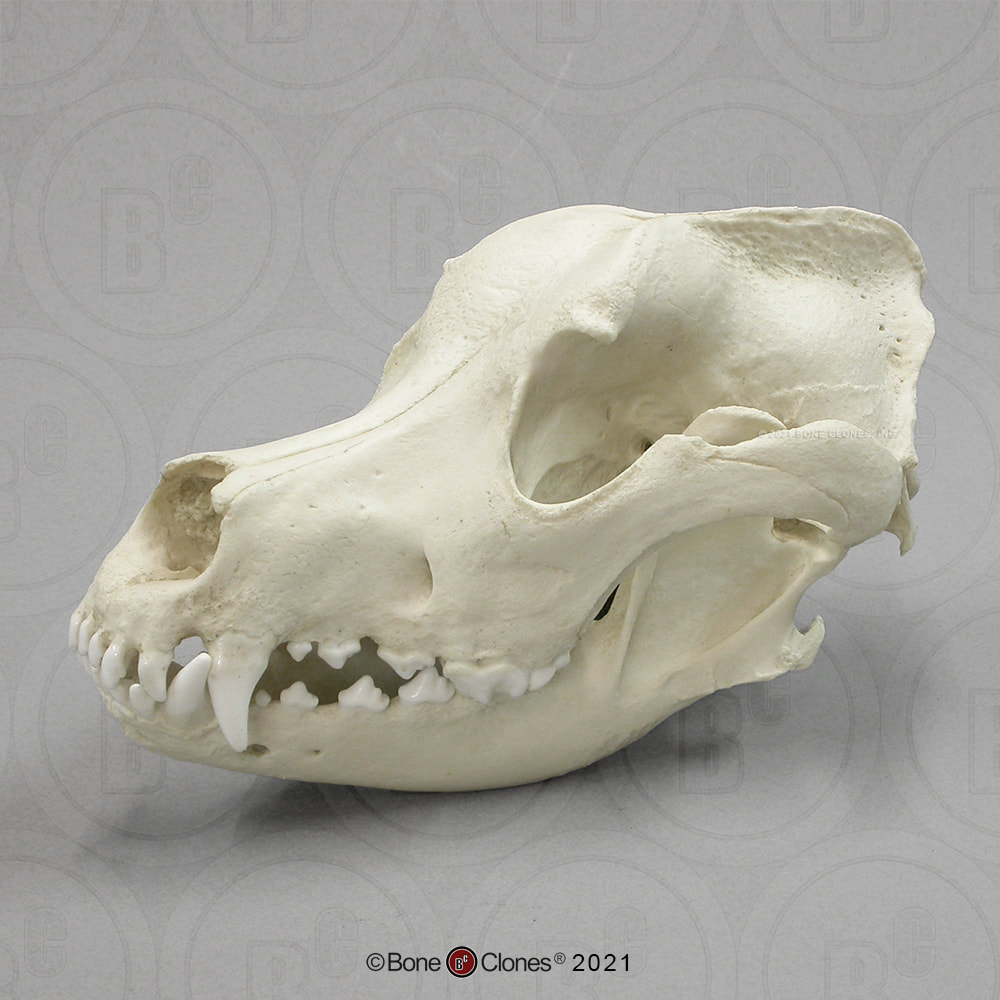
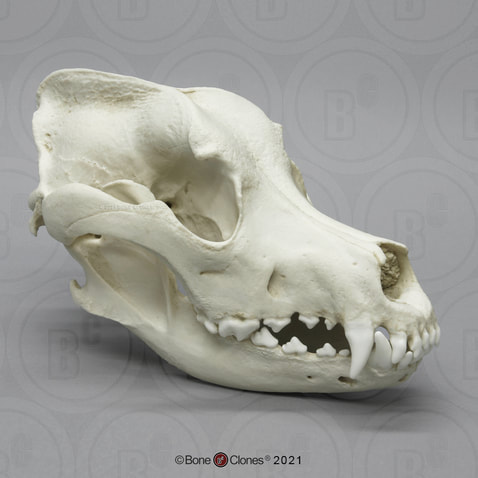
  • Bone Clones Great Dane Skull Cast (Replica), BC-022

Bone Clones Great Dane Skull Cast (Replica), BC-022

SKU:
$209.00
$209.00
Unavailable
per item

Canis familiaris

11.0" x 6.0" x 6.0"

Great Dane (Canis familiaris) is thought to have originated from a cross between Asiatic mastiffs and Irish wolfhounds sometime during the 5th century A.D. They are second only to the Irish wolfhounds in size and height. Bred primarily in England and Germany during the 14th century and used to hunt wild pigs, they were shorter and heavier than contemporary Danes. Long before the invention of firearms, hunters needed a companion that was large, strong, and agile to tackle the razor sharp tusks of the European wild boars.

In the mid 1600s German noblemen often kept the largest and most intimidating of these giant dogs on their estates as companions and protectors. Selective breeding eventually distinguished them from their English counterparts. Given the name Deutsche Dogge, they were chosen the national dog of Germany in 1876. The name Great Dane was given them by a French naturalist, who first saw them while traveling in Denmark. Inexplicably, the name stuck despite the Danish having played no role in their history. 2-part skull (separate cranium & jaw).


Stand S-BC-022


  • Facebook
  • Twitter
  • Pinterest
  • Google+
Add to Cart
 Main: 562-982-1182 [email protected]
©2025 The Bone Room INC. Images may not be copied, printed or otherwise disseminated without express written permission of The Bone Room INC