The Bone Room
562-982-1182
  • Home
  • Shop
    • Lifestyle: Gifts, Jewelry, Decor, and More
    • Human Specimens >
      • Human Skulls >
        • Specialty Skulls and Teaching Aids
        • Normal Human Skulls
        • Pathological Human Skulls
        • Fetal & Child Skulls
      • Human Skeletons >
        • Articulated Human Skeletons
        • Disarticulated Human Skeletons
      • Individual Human Bones and Sets >
        • Pathological Human Individual Bones and Sets
    • Animal Specimens >
      • Animal Skulls
      • Complete Animal Skeletons
      • Assorted Animal Bones
    • SAR
    • Aquatic Specimens
    • Mineral Specimens
    • Fossils >
      • Fossil Dishware
      • Everyday Fossils
      • One-of-a-Kind Fossils
    • Meteorites
    • Replicas & Casts
    • Insect Specimens >
      • Framed Insects
      • Insects in Lucite
    • Laura Zindel Ceramics
    • Artist Supplies
  • Featured Merchandise
    • Best Sellers
    • Tiny Things
    • Specialty Collection
    • Archaeology
    • Brand New Merchandise
  • Gift Certificate
  • FAQ
    • We Buy Bones
    • About our Products
    • Specific Questions
    • Bones at Home
    • Insects at Home
    • Domestic Shipping Information
    • International Shipping Infromation
    • Returns
    • Links to More Information
  • About & Contact
  • The Bone Room Amber Room
  • Eugene Tssui
  • Category
  • Home
  • >
  • Shop The Bone Room
  • >
  • Casts & Replicas
  • >
  • Museum Quality Casts
  • >
  • Bone Clones Animal Skulls, Skeleton, Claw & Tooth Casts
  • >
  • Bone Clones Small Animal Skull & Skeleton Casts
  • >
  • Bone Clones® Echidna Skull Cast (Replica), BC-296

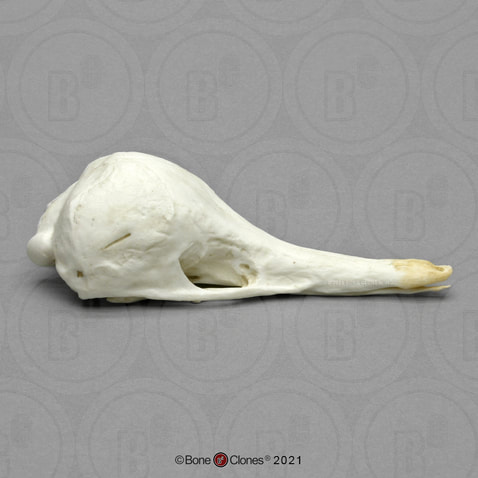
Bone Clones® Echidna Skull Cast (Replica), BC-296

SKU:
$114.00
$114.00
Unavailable
per item

Tachyglossus aculeatus

4.75" x 2.0" x 1.5"


The short-beaked echidna is native to Australia and Tasmania. Its common name, the spiny anteater, refers to its porcupine-like quills and its long, pointed beak. From this toothless beak, it extends a six-inch long, sticky tongue to capture ants and termites. A very fast digger, it possesses strong front claws, used for that purpose and backward curving hind legs.

The short and long-beaked echidnas join the platypus as the only mammals to lay eggs. The female echidna deposits the leathery egg in her pouch. The jelly-bean sized baby hatches but stays put for 6 to 8 weeks, feeding on milk its mother secretes through special glands. When the baby starts to develop spines, it is removed from the pouch but still cared for by its mother for several more months. 1-part skull (jaw glued to cranium).


  • Facebook
  • Twitter
  • Pinterest
  • Google+
Add to Cart
 Main: 562-982-1182 [email protected]
©2025 The Bone Room INC. Images may not be copied, printed or otherwise disseminated without express written permission of The Bone Room INC