- Home
- >
- Shop The Bone Room
- >
- Animal Specimens
- >
- Animal Skulls
- >
- River Otter Skull
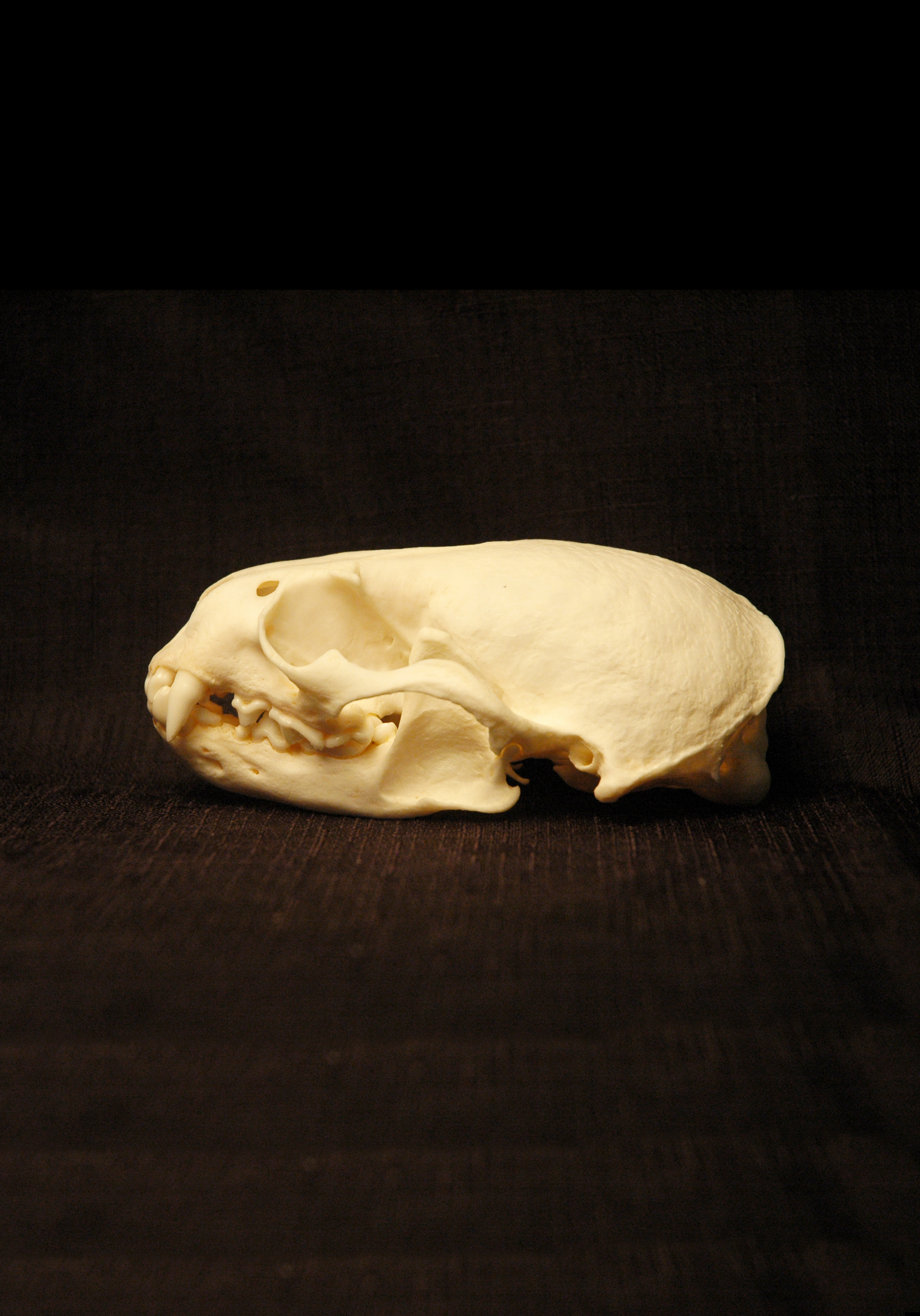
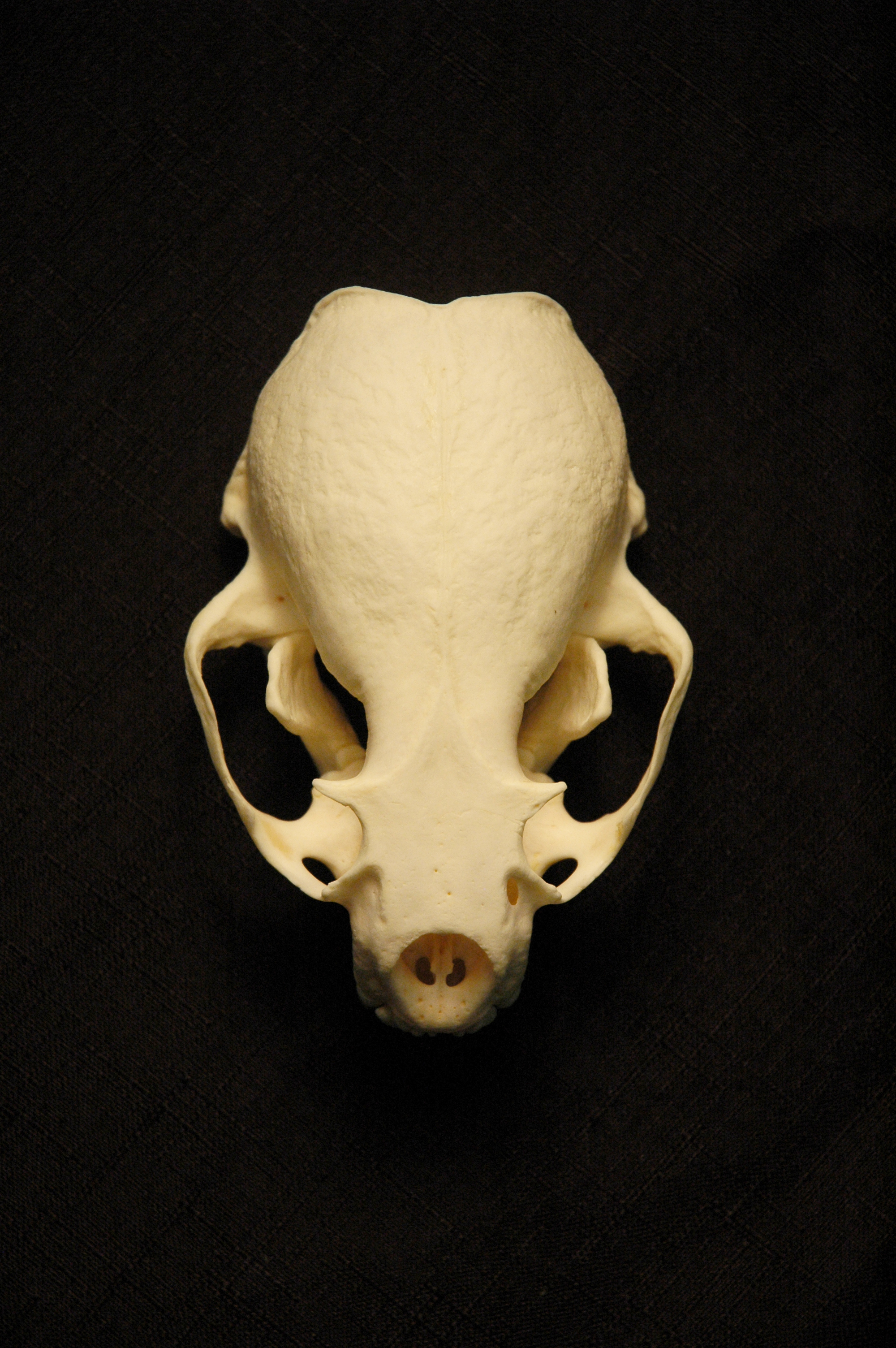
River Otter Skull
Lontra canadensis, commonly known as the North American river otter, is a semi-aquatic mammal native to the North American continent.
Physical Characteristics
The North American river otter has a long, streamlined body with short legs and a tapered tail. Its feet are fully webbed, which aids in its exceptional swimming abilities. The fur is short, dense, and waterproof, typically a rich brown color with a grayish-brown underside. Otters have small, inconspicuous ears that close when they are submerged. Adults typically weigh between 5 and 14 kg.
Habitat and Distribution
Historically, the North American river otter was widespread across the United States and Canada. While its range has been reduced in some areas due to urbanization and pollution, it is still found throughout most of Canada and along the coasts and inland waterways of the U.S. They inhabit various aquatic environments, including rivers, lakes, marshes, swamps, and estuaries. They are dependent on a permanent food supply and access to water. They often use dens dug by other animals, or natural shelters like hollow logs or rock piles, with entrances often located underwater.
Diet
Lontra canadensis is a carnivorous predator. Its diet is varied and opportunistic, depending on the availability of prey in its specific habitat. Fish are a primary food source, but they also eat crustaceans (especially crayfish), amphibians (frogs and salamanders), freshwater clams, snails, small turtles, and sometimes birds and small mammals. They are known to select larger, slower-moving prey when available.
Behavior and Reproduction
River otters are known for their playful behavior, including sliding down mud or snow banks. They are excellent swimmers and can stay underwater for up to eight minutes. They can also run surprisingly fast on land.
Breeding typically occurs from December to April. Females reach sexual maturity around two years old, while males may not successfully breed until they are 5-7 years old. Females give birth to litters of 1-6 pups, with 2-4 being most common. Pups are born blind and helpless, and their eyes begin to open between 30-38 days. The mother will wean them around 12 weeks but continues to provide solid food for much longer.
Conservation Status
The conservation status of the North American river otter is classified as "Least Concern" by the IUCN (International Union for Conservation of Nature). Although their populations were severely reduced in the past due to unregulated trapping and water pollution, reintroduction projects, reduced trapping pressure, and improved water quality regulations have led to a recovery and expansion of their populations in many areas. They are, however, still listed in Appendix II of CITES (Convention on International Trade in Endangered Species of Wild Fauna and Flora), which means their trade is regulated to prevent overexploitation.