The Bone Room
562-982-1182
  • Home
  • Shop
    • Lifestyle: Gifts, Jewelry, Decor, and More
    • Human Specimens >
      • Human Skulls >
        • Specialty Skulls and Teaching Aids
        • Normal Human Skulls
        • Pathological Human Skulls
        • Fetal & Child Skulls
      • Human Skeletons >
        • Articulated Human Skeletons
        • Disarticulated Human Skeletons
      • Individual Human Bones and Sets >
        • Pathological Human Individual Bones and Sets
    • Animal Specimens >
      • Animal Skulls
      • Complete Animal Skeletons
      • Assorted Animal Bones
    • SAR
    • Aquatic Specimens
    • Mineral Specimens
    • Fossils >
      • Fossil Dishware
      • Everyday Fossils
      • One-of-a-Kind Fossils
    • Meteorites
    • Replicas & Casts
    • Insect Specimens >
      • Framed Insects
      • Insects in Lucite
    • Laura Zindel Ceramics
    • Artist Supplies
  • Featured Merchandise
    • Best Sellers
    • Tiny Things
    • Specialty Collection
    • Archaeology
    • Brand New Merchandise
  • Gift Certificate
  • FAQ
    • We Buy Bones
    • About our Products
    • Specific Questions
    • Bones at Home
    • Insects at Home
    • Domestic Shipping Information
    • International Shipping Infromation
    • Returns
    • Links to More Information
  • About & Contact
  • The Bone Room Amber Room
  • Eugene Tssui
  • Category
  • Home
  • >
  • Shop The Bone Room
  • >
  • Casts & Replicas
  • >
  • Museum Quality Casts
  • >
  • Bone Clones Animal Skulls, Skeleton, Claw & Tooth Casts
  • >
  • Bone Clones Felid Skull Casts
  • >
  • Bone Clones Ocelot Skull (Replica) BC-239

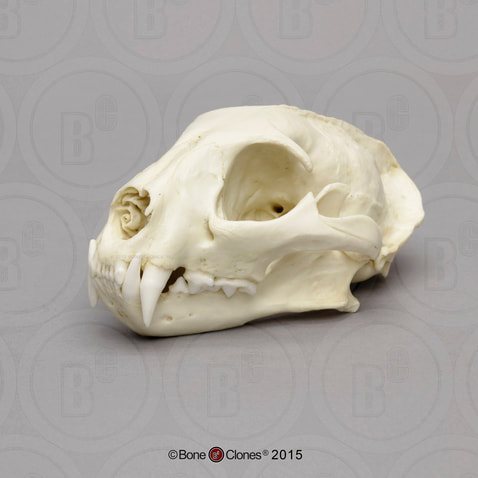
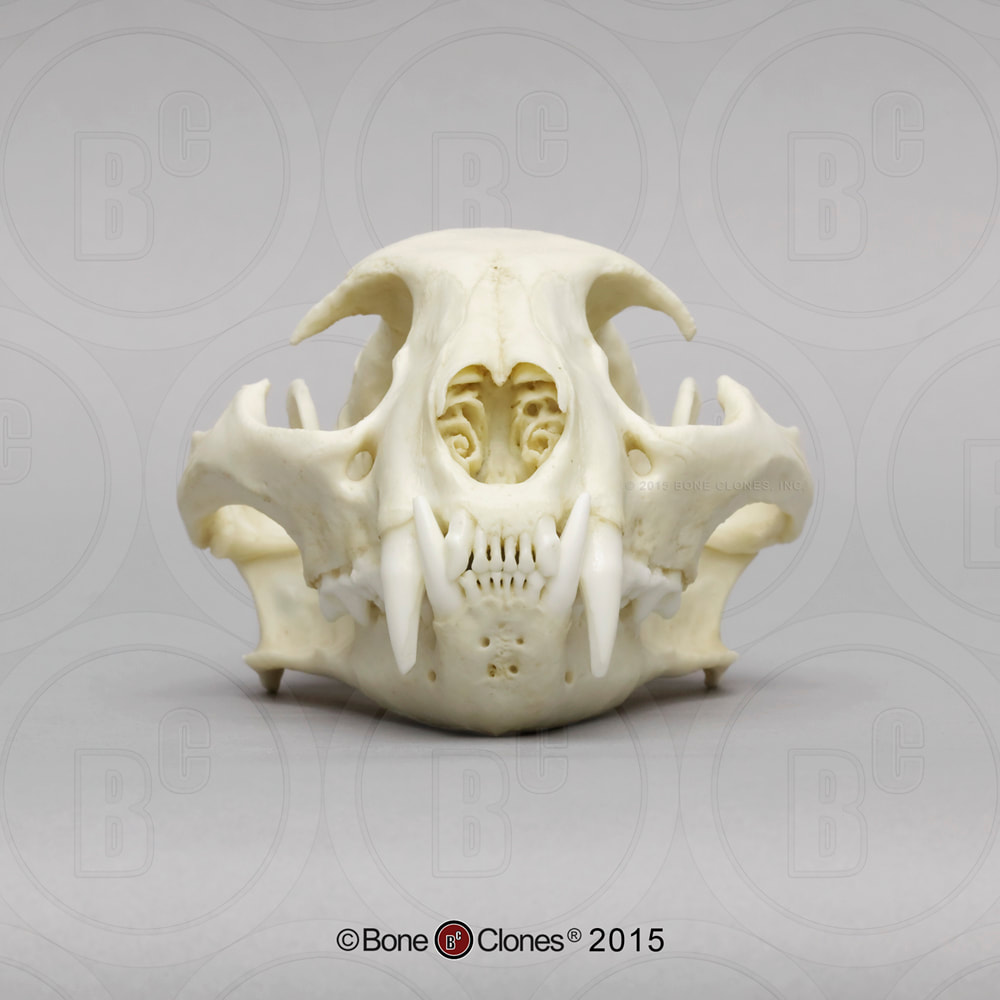
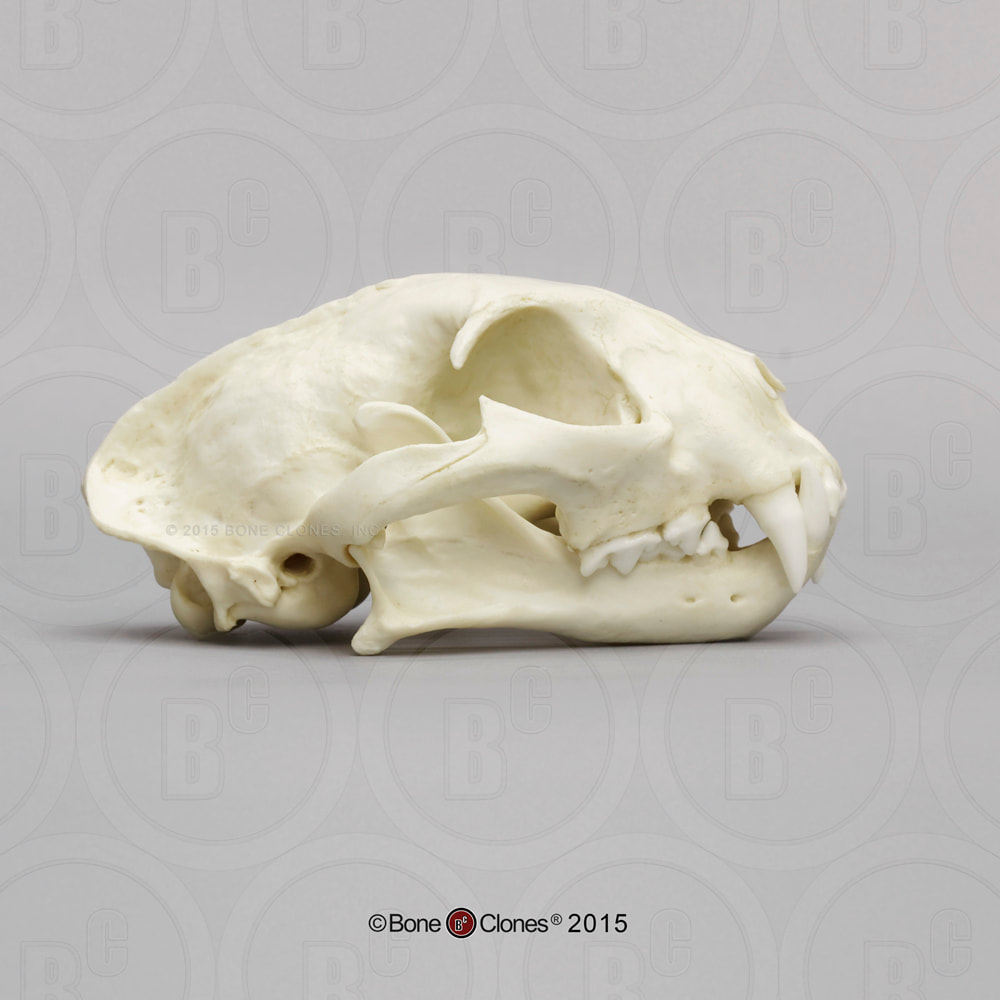
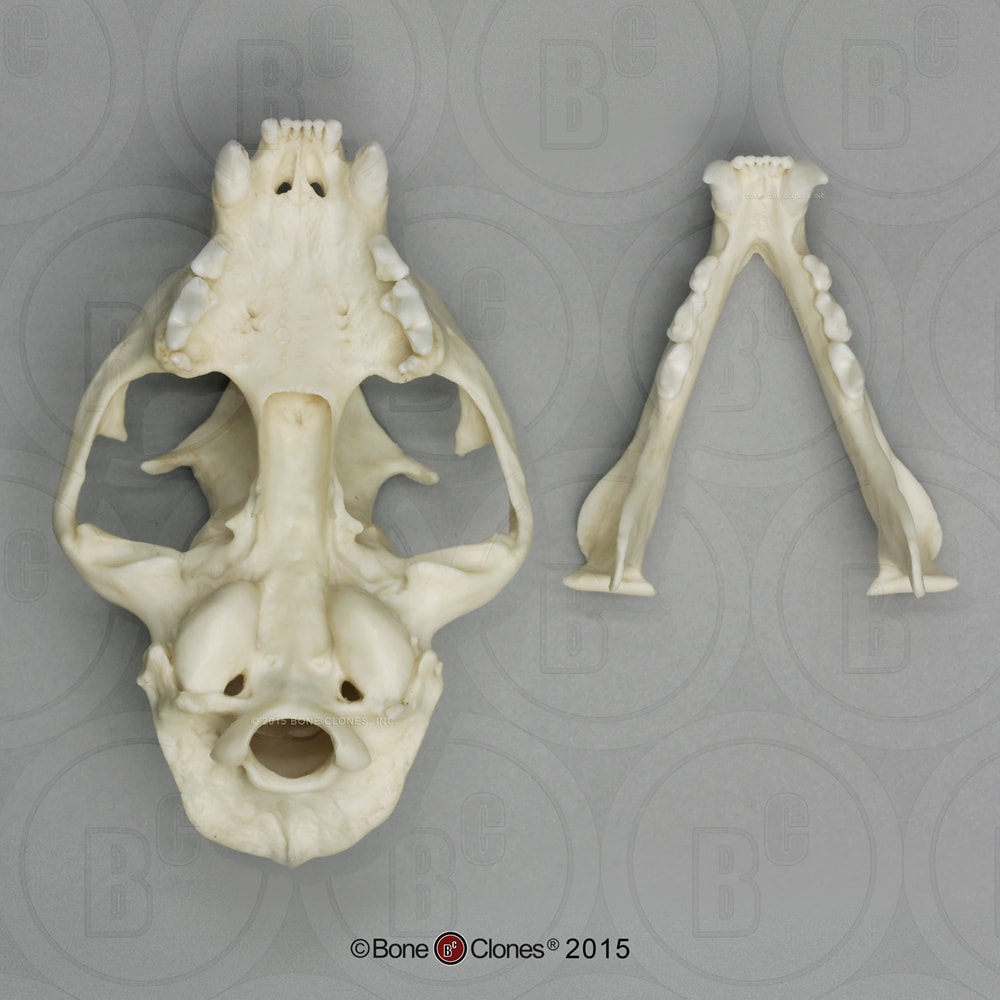
Bone Clones Ocelot Skull (Replica) BC-239

SKU:
$166.00
$166.00
Unavailable
per item

Leopardus pardalis

6" L x 4" W x 3" H 15.7L x 10.1W x 7.4H (cm)

The ocelot is native to South America but also can be found in Central America and the southeastern United States. They live in savannah grasslands, tropical forests, mangrove forests and thorn scrub regions and are a member of the cat family; they are between 25 to 38 inches (65 to 97 cm) long. Its pelage has distinctive spotted patterns of black rosettes with centers darker than the lighter-tawny background. Ocelots feed primarily on small mammals such as rats, opossums, squirrel monkeys and land tortoises. One way to distinguish the skull of an ocelot from a cat of a similar size, such as a bobcat or lynx, is to look for the presence of an extra premolar behind the canines in the maxilla. The ocelot will have a small premolar posterior to the canines, while a bobcat and lynx will not. 2-part skull (separate cranium & jaw).6


Base OB-03 5" W x 9" L


  • Facebook
  • Twitter
  • Pinterest
  • Google+
Add to Cart
 Main: 562-982-1182 [email protected]
©2025 The Bone Room INC. Images may not be copied, printed or otherwise disseminated without express written permission of The Bone Room INC